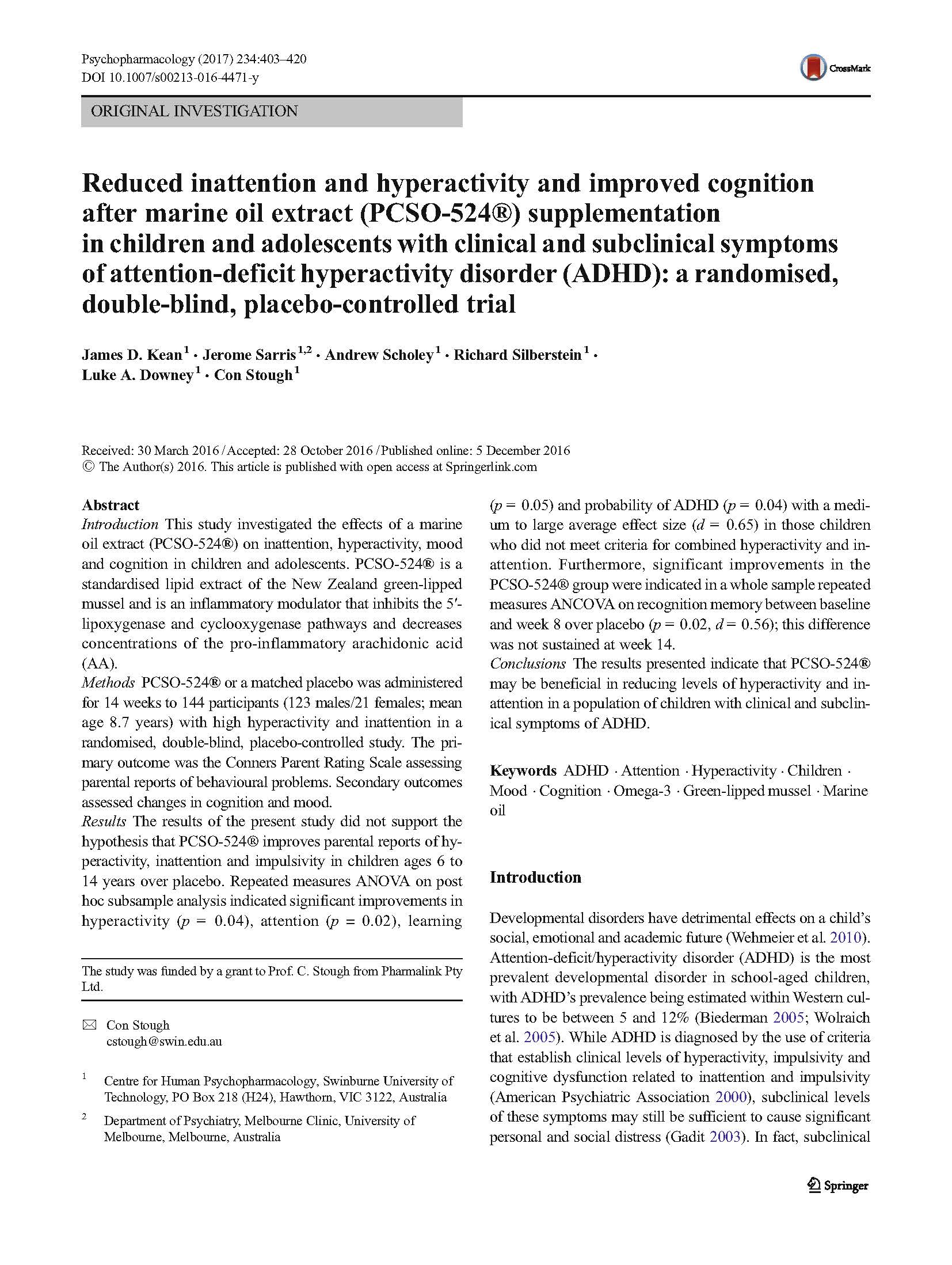
Reduced inattention and hyperactivity and improved cognition after marine oil extract (PCSO-524®) supplementation in children and adolescents with clinical and subclinical symptoms of attention-deficit hyperactivity disorder (ADHD): a randomised, double-blind, placebo-controlled trial
Introduction This study investigated the effects of a marine
oil extract (PCSO-524®) on inattention, hyperactivity, mood
and cognition in children and adolescents. PCSO-524® is a
standardised lipid extract of the New Zealand green-lipped
mussel and is an inflammatory modulator that inhibits the 5′-
lipoxygenase and cyclooxygenase pathways and decreases
concentrations of the pro-inflammatory arachidonic acid
(AA).
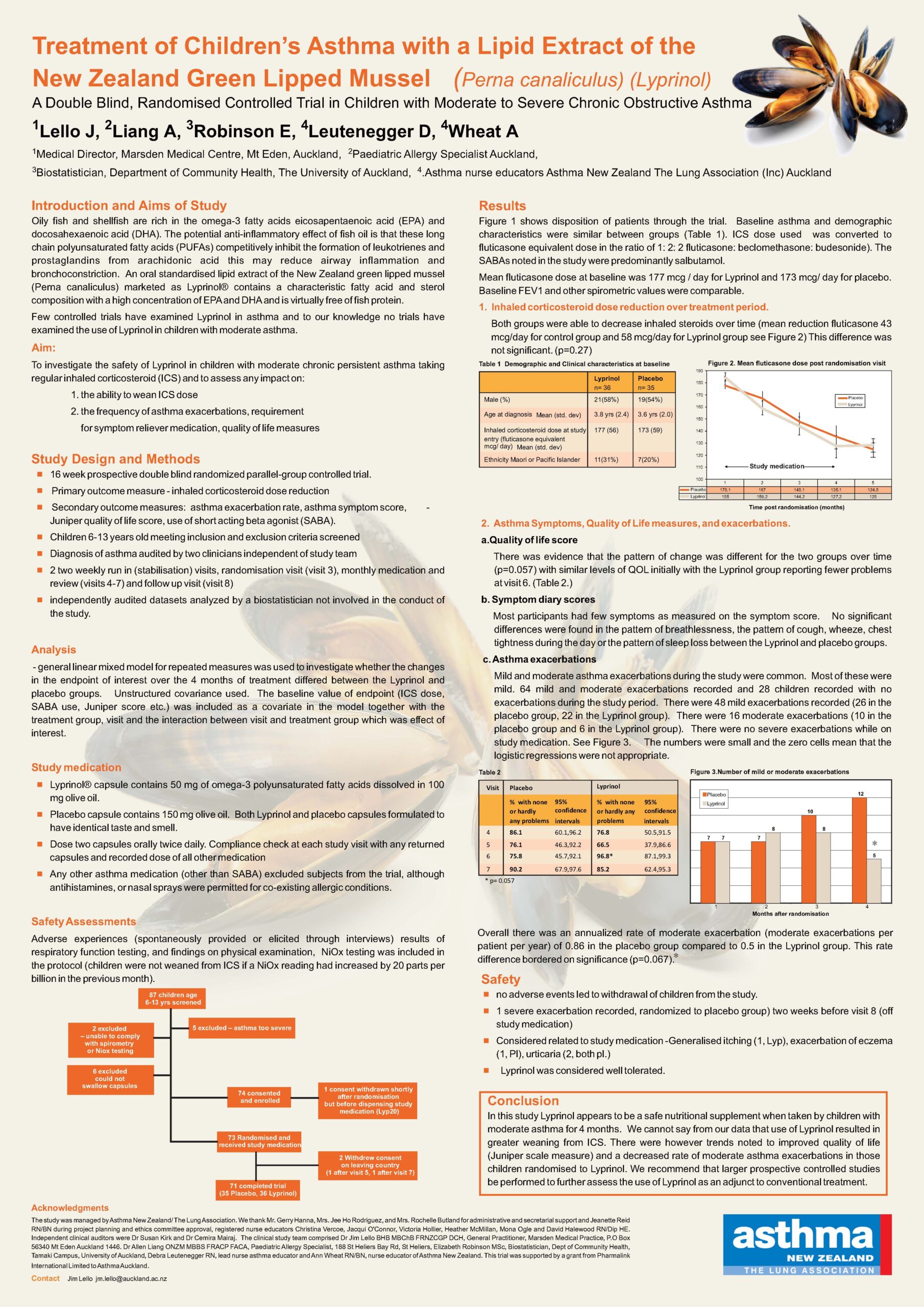
Oily fish and shellfish are rich in the omega-3 fatty acids eicosapentaenoic acid (EPA) and
docosahexaenoic acid (DHA). The potential anti-inflammatory effect of fish oil is that these long
chain polyunsaturated fatty acids (PUFAs) competitively inhibit the formation of leukotrienes and
prostaglandins from arachidonic acid this may reduce airway inflammation and
bronchoconstriction. An oral standardised lipid extract of the New Zealand green lipped mussel
(Perna canaliculus) marketed as Lyprinol® contains a characteristic fatty acid and sterol
composition with a high concentration of EPA and DHA and is virtually free of fish protein.
Few controlled trials have examined Lyprinol in asthma and to our knowledge no trials have examined the use of Lyprinol in children with moderate asthma.
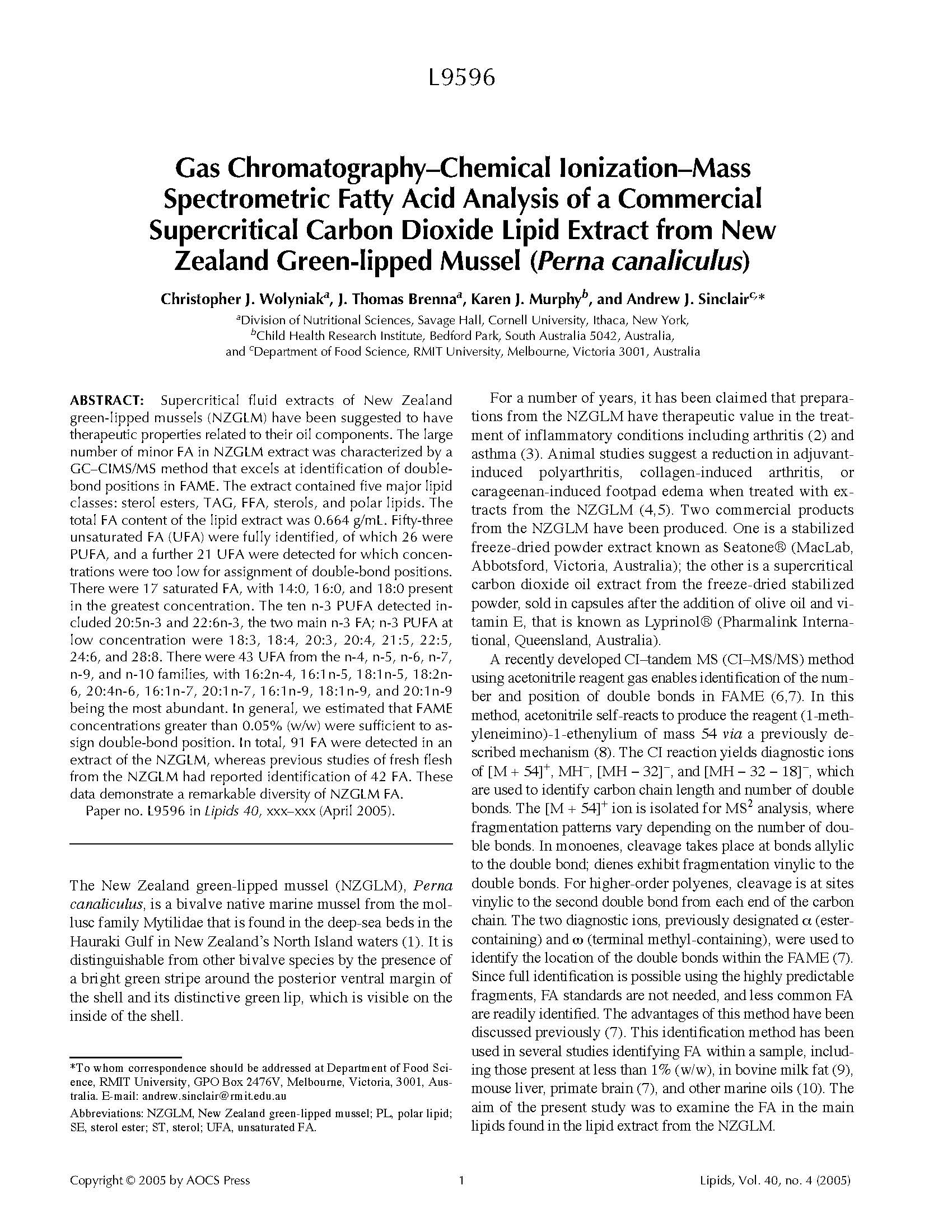
Gas Chromatography–Chemical Ionization–Mass Spectrometric Fatty Acid Analysis of a Commercial Supercritical Carbon Dioxide Lipid Extract from New Zealand Green-lipped Mussel (Perna canaliculus)
Supercritical fluid extracts of New Zealand
green-lipped mussels (NZGLM) have been suggested to have
therapeutic properties related to their oil components. The large
number of minor FA in NZGLM extract was characterized by a
GC–CIMS/MS method that excels at identification of doublebond
positions in FAME. The extract contained five major lipid
classes: sterol esters, TAG, FFA, sterols, and polar lipids. The
total FA content of the lipid extract was 0.664 g/mL. Fifty-three
unsaturated FA (UFA) were fully identified, of which 26 were
PUFA, and a further 21 UFA were detected for which concentrations
were too low for assignment of double-bond positions.
There were 17 saturated FA, with 14:0, 16:0, and 18:0 present
in the greatest concentration. The ten n-3 PUFA detected included
20:5n-3 and 22:6n-3, the two main n-3 FA; n-3 PUFA at
low concentration were 18:3, 18:4, 20:3, 20:4, 21:5, 22:5,
24:6, and 28:8. There were 43 UFA from the n-4, n-5, n-6, n-7,
n-9, and n-10 families, with 16:2n-4, 16:1n-5, 18:1n-5, 18:2n-
6, 20:4n-6, 16:1n-7, 20:1n-7, 16:1n-9, 18:1n-9, and 20:1n-9
being the most abundant. In general, we estimated that FAME
concentrations greater than 0.05% (w/w) were sufficient to assign
double-bond position. In total, 91 FA were detected in an
extract of the NZGLM, whereas previous studies of fresh flesh
from the NZGLM had reported identification of 42 FA. These
data demonstrate a remarkable diversity of NZGLM FA.
Paper no. L9596 in Lipids 40, xxx–xxx (April 2005).
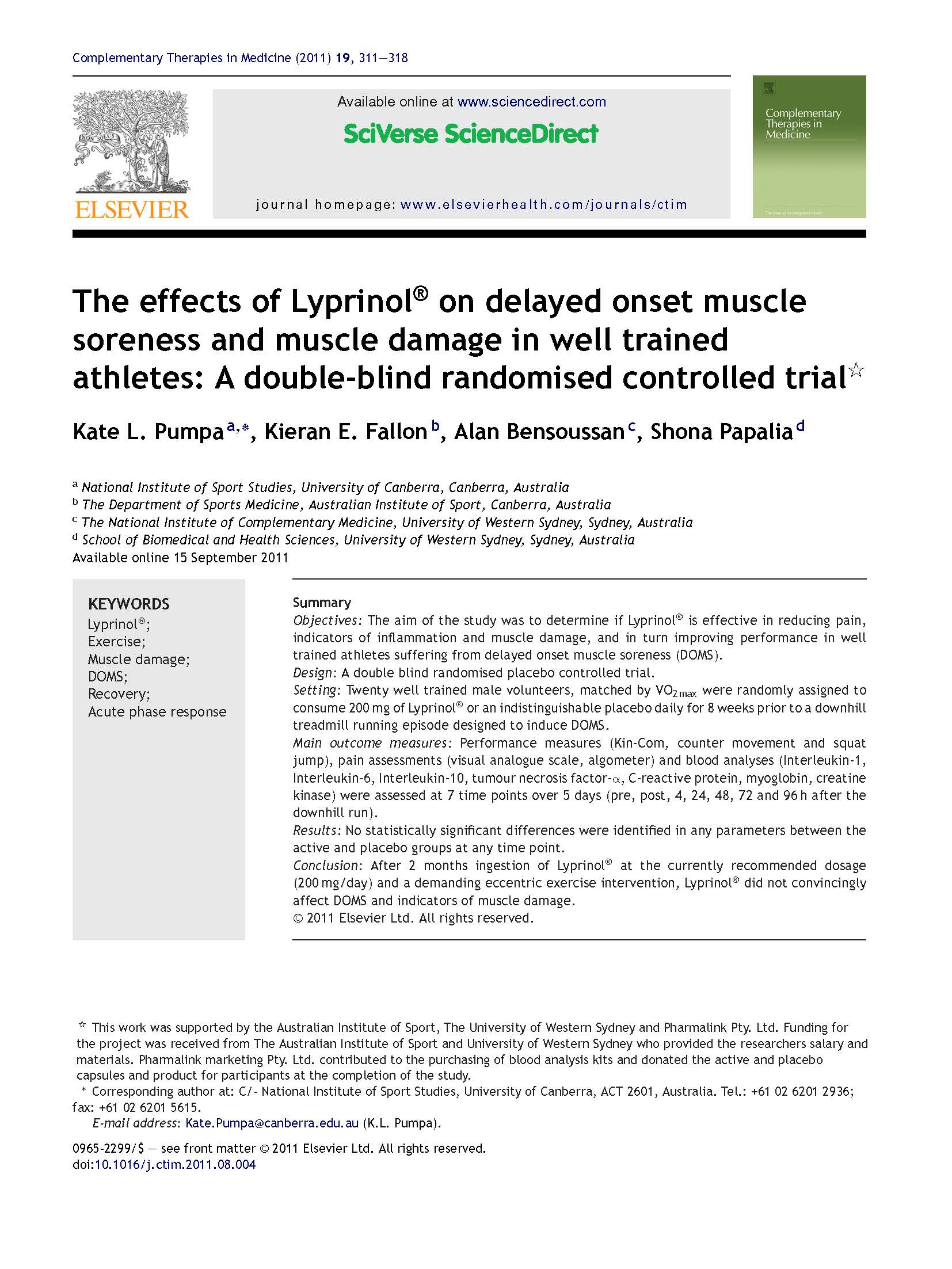
The aim of the study was to determine if Lyprinol® is effective in reducing pain,
indicators of inflammation and muscle damage, and in turn improving performance in well
trained athletes suffering from delayed onset muscle soreness (DOMS).
Design: A double blind randomised placebo controlled trial.
The present study has identified in the marine mollusc, Perna canaliculus, an homologous series of novel omega 3 polyunsaturated fatty acids
(ω-3 PUFA) with significant anti-inflammatory (AI) activity. The free fatty acid (FFA) class was isolated from a supercritical-CO2 lipid extract of
the tartaric acid-stabilised freeze-dried mussel powder by normal phase chromatography, followed by reversed-phase high performance liquid
chromatography (RP–HPLC). The RP–HPLC involved separation based on carbon numbers, followed by argentation–HPLC (Ag–HPLC) of the
methyl esters based on degree of unsaturation. Identification of the FFA components was performed using gas chromatography (GC) with flame
ionisation detection, and individual structures were assigned by GC-mass spectroscopy (GC-MS). Inhibition of leukotriene production by stimulated
human neutrophils was used as an in vitro screening method to test the AI activity of the purified PUFAs. A structurally related family of ω-3 PUFAs
was identified in the most bioactive fractions, which included C18:4, C19:4, C20:4, and C21:5 PUFA. The C20:4 was the predominant PUFA in the
extract, and was a structural isomer of arachidonic acid (AA). The novel compounds may be biologically significant as AI agents, as a result of their
in vitro inhibition of lipoxygenase products of the AA pathway.
The Stabilised lipid oil from the New Zealand Green Lipped Mussel (Lyprinol®) and Fish oil;
are considered beneficial for the treatment of inflammatory conditions including asthma and
arthritis. Sports medicine practitioners often witness the occurrence of Exercise Induced
Bronchoconstriction (EIB). This condition is thought to be due to the flow of air in a lung
pipe (with living cells bordering it) whereby these cells react and release variable amounts of
inflammatory mediators, as "protection". We were interested in understanding why we
observed better lung efficiency in endurance athletes using Lyprinol®. In Germany, the
largest group of purchasers of Lyprinol® are endurance athletes. It is hypothesised that
Lyprinol’s anti- inflammatory action helps increase the air flow by protecting the airways
against inflammatory mediators. This is particularly observable for athletes undergoing
extreme exercise. In order to learn if Lyprinol® does improve lung function for athletes, we
have monitored the lung capacity of a small group of sub elite athletes and found that
uploading of Lyprinol® resulted in increases in lung capacity. To better understand this
phenomenon, we have also searched the literature on Exercise Induced Bronchoconstriction
and Asthma.
The effect of Lyprinol was evaluated on LTB₄-induced human monocytes (normal and allergic donors) activation. Peripheral blood normal monocyte-derived monocytes when stimulated by Interleukin-4 (IL-4) produced high amounts of leukotriene B₄ (LTB₄) through the activation of the 5-lipoxygenase pathway. Maximal effect was observed in the presence of 10 ng/ml IL-4, and maximal LTB₄ production was reached 40 minutes after the onset of stimulation.
Live cold-adapted reassortant influenza vaccine (LAIV) is an effective
means of controlling influenza among children, adults and elderly [1-3].
In comparison with inactivated influenza vaccines, LAIV has the
advantages of stimulating the mucosal as well as cellular immune
responses whereas it is slightly less effective in stimulating the serum
antibody responses [4]. The possibility of using Lyprinol to raise serum
antibody as well as cellular immune responses in human after vaccination
with live attenuated influenza vaccine were studied.
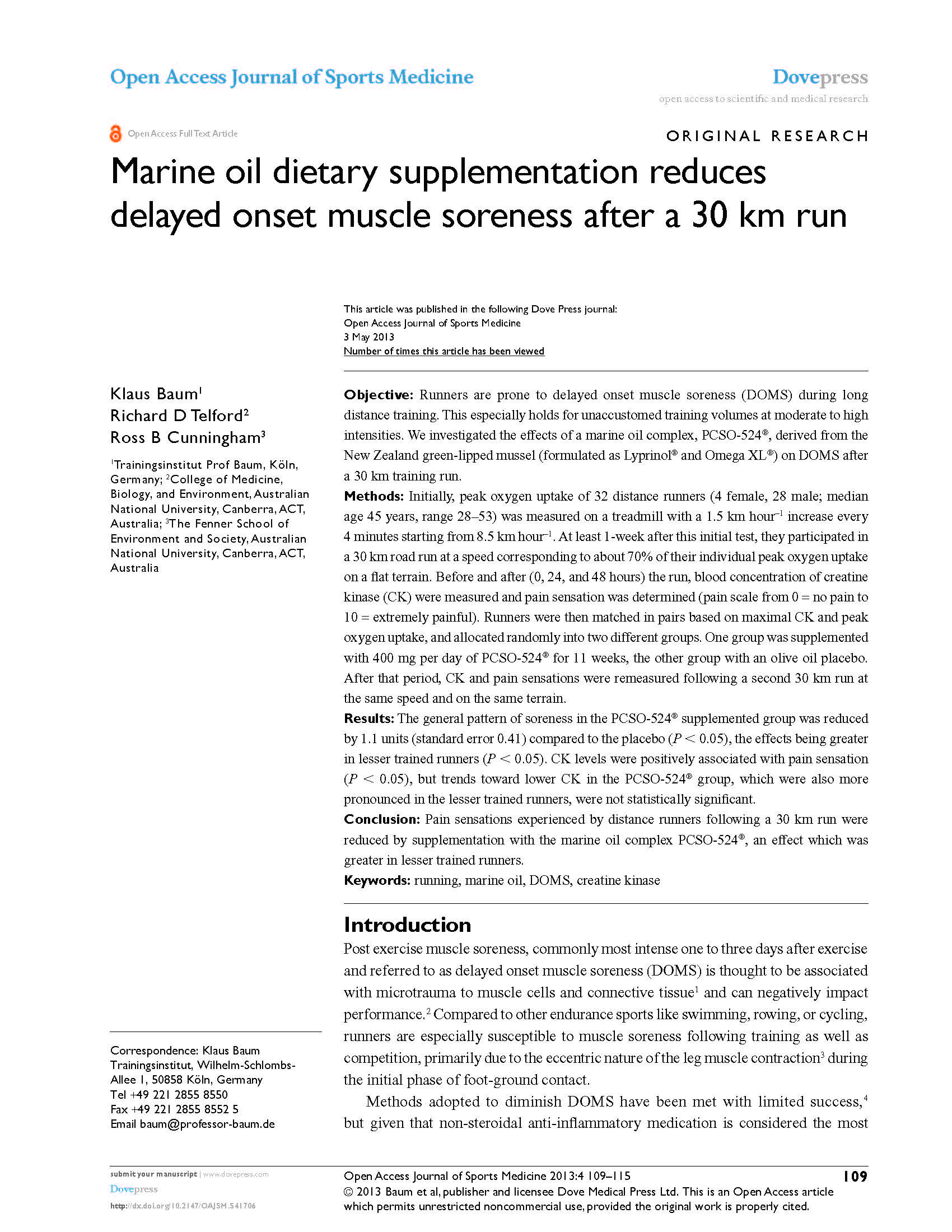
Runners are prone to delayed onset muscle soreness (DOMS) during long distance training. This especially holds for unaccustomed training volumes at moderate to high intensities. We investigated the effects of a marine oil complex, PCSO-524®, derived from the New Zealand green-lipped mussel (formulated as Lyprinol® and Omega XL®) on DOMS after a 30 km training run.
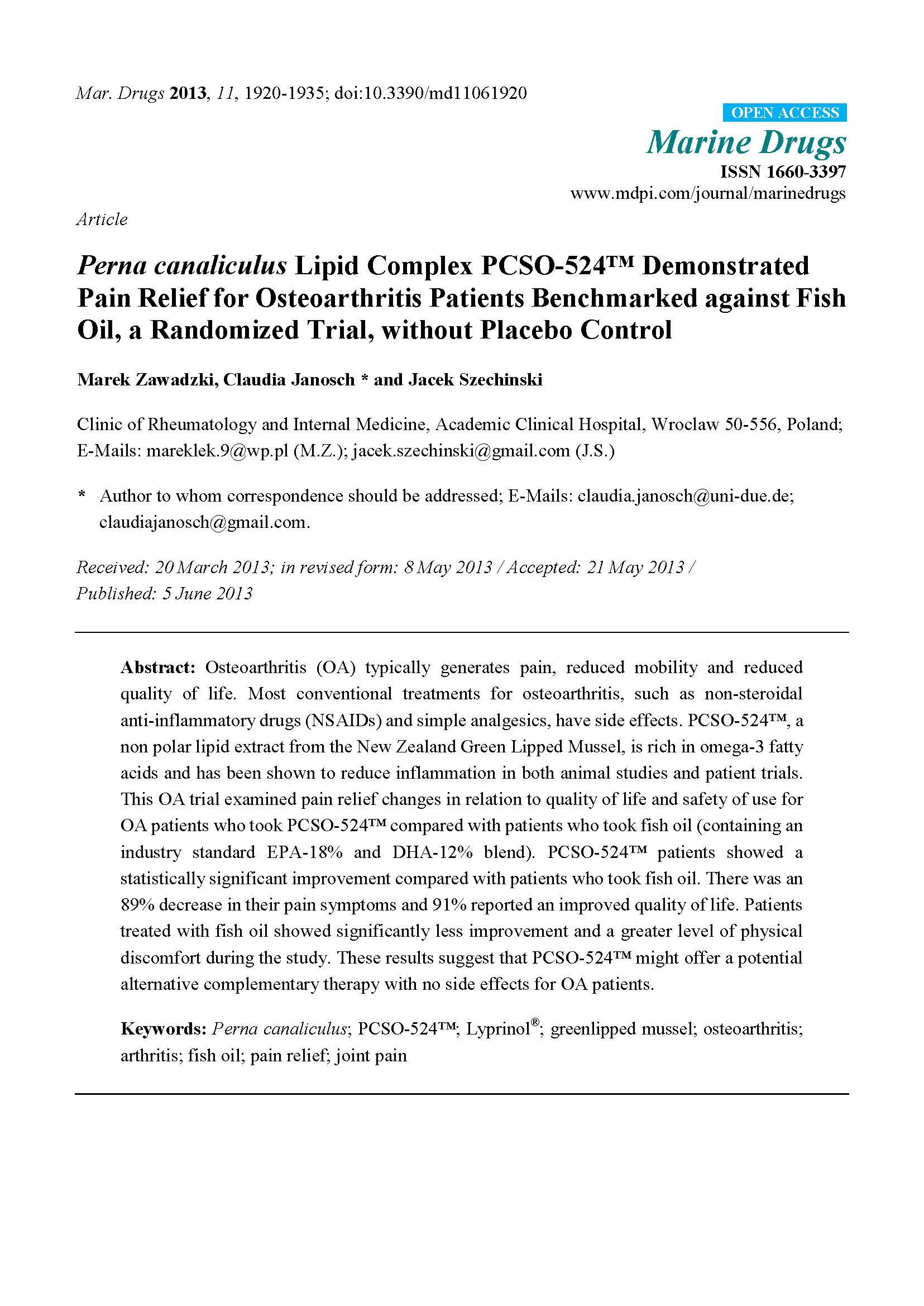
Perna canaliculus Lipid Complex PCSO-524™ Demonstrated Pain Relief for Osteoarthritis Patients Benchmarked against Fish Oil, a Randomized Trial, without Placebo Control
Osteoarthritis (OA) typically generates pain, reduced mobility and reduced quality of life. Most conventional treatments for osteoarthritis, such as non-steroidal anti-inflammatory drugs (NSAIDs) and simple analgesics, have side effects. PCSO-524™, a non polar lipid extract from the New Zealand Green Lipped Mussel, is rich in omega-3 fatty acids and has been shown to reduce inflammation in both animal studies and patient trials. This OA trial examined pain relief changes in relation to quality of life and safety of use for OA patients who took PCSO-524™ compared with patients who took fish oil (containing an industry standard EPA-18% and DHA-12% blend). PCSO-524™ patients showed a statistically significant improvement compared with patients who took fish oil.